

As electric vehicles (EVs) become more mainstream, understanding the different charging options is essential for both homeowners and business owners. EV chargers are categorized into three levels—Level 1, Level 2, and Level 3—each offering different charging speeds, costs, and applications. Whether you’re looking to charge your EV at home or install chargers for your business, knowing the differences will help you make informed decisions.
What Are Level 1, 2, and 3 Chargers?
Before diving into the specifics, here’s a quick overview:
- Level 1 Chargers: The simplest option, typically included with your EV purchase, designed for basic home charging.
- Level 2 Chargers: Faster and more versatile chargers, ideal for home installations and businesses looking to support EV drivers.
- Level 3 Chargers: Also known as DC fast chargers, designed for rapid charging in commercial or public settings.
Let’s break down each level in detail.
Level 1 Chargers: Slow and Steady
Best for:
- Overnight home charging for drivers with low daily mileage.
- Emergency backup charging when other options aren’t available.
How It Works:
Level 1 chargers plug into a standard 120-volt outlet, delivering a charging rate of approximately 3-5 miles of range per hour. While they’re convenient because they don’t require any special installation, they are the slowest option available.
Pros:
- Affordable: Typically included with your EV or available at a low cost.
- Simple Setup: No special equipment needed; works with any standard outlet.
Cons:
- Slow Charging: Fully charging an EV battery can take 20-40 hours.
- Not Practical for Long Commutes: If you drive significant distances daily, Level 1 chargers may not keep up with your needs.
For occasional or light EV users, Level 1 chargers can be sufficient, but most EV drivers upgrade to a faster option for convenience.
Level 2 Chargers: The Sweet Spot for Home and Business
Best for:
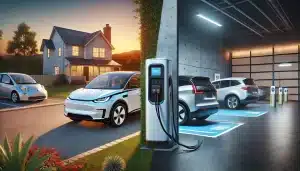
- Daily home charging for EV owners.
- Businesses, workplaces, and commercial spaces looking to attract EV drivers.
How It Works:
Level 2 chargers require a 240-volt outlet and deliver a charging rate of 15-30 miles of range per hour. These chargers significantly reduce charging times compared to Level 1, making them the preferred choice for most EV owners.
Pros for Homeowners:
- Faster Charging: A full charge typically takes 4-8 hours, making it perfect for overnight charging.
- Customizable Options: Smart Level 2 chargers offer features like scheduling, energy monitoring, and app control.
Pros for Businesses:
- Attract Customers and Employees: Offering Level 2 chargers can make your business more appealing to EV drivers.
- Supports Multiple Vehicles: Many Level 2 chargers can be networked to manage multiple cars simultaneously.
Cons:
- Higher Upfront Costs: Installation can range from $500 to $2,000, depending on your home’s or business’s electrical setup.
- Electrical Upgrade May Be Needed: Homes and businesses with older electrical panels may need upgrades to handle the increased power demand.
Level 2 chargers strike the perfect balance between speed and affordability, making them the go-to option for most charging needs.
Level 3 Chargers: Rapid Power for the Road
Best for:
- Commercial and public charging stations along highways, shopping centers, or other high-traffic areas.
- Businesses serving fleets or EV drivers who need quick charging.
How It Works:
Level 3 chargers, also known as DC fast chargers, use direct current (DC) to deliver charging speeds of 50-350 kW. These chargers can add 100-300 miles of range in 15-45 minutes, depending on the vehicle and charger capacity.
Pros:
- Fast Charging: Ideal for long-distance travelers or fleet vehicles with high daily mileage.
- Supports EV Adoption: High-speed chargers reduce range anxiety and make EVs more practical for long trips.
Cons:
- Expensive Installation: Costs can range from $30,000 to $100,000 per charger due to the high power requirements and advanced equipment.
- Not Suitable for Home Use: The infrastructure and cost make Level 3 chargers impractical for residential settings.
- Limited Compatibility: Not all EVs can utilize the maximum speed of Level 3 chargers, and some older models may not support DC fast charging at all.
Level 3 chargers are a game-changer for public charging networks, offering quick and efficient service for EV drivers on the go.
Which Charger Is Right for You?
For Homeowners:
- If you drive short distances daily, a Level 1 charger might suffice.
- For faster, more convenient charging, a Level 2 charger is the best option. It’s a worthwhile investment that ensures your EV is always ready to go.
For Businesses:
- Level 2 chargers are ideal for workplaces, retail spaces, and hospitality businesses looking to provide convenient charging for employees, customers, or guests.
- Level 3 chargers are a better fit for high-traffic commercial areas or businesses with EV fleets, as they offer the speed needed to support frequent and long-distance use.
The Future of EV Charging
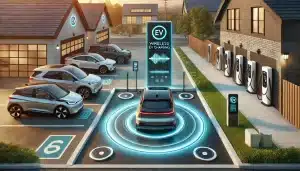
As EV adoption grows, charging technology will continue to advance. Innovations like wireless charging, ultra-fast charging, and renewable energy integration are already on the horizon. Whether you’re charging at home or supporting EV drivers at your business, understanding the different charger levels ensures you’re prepared for this electrifying future.
No matter which option you choose, investing in EV charging is an investment in sustainability, convenience, and the transition to a cleaner transportation system. The right charger makes all the difference—both for your needs today and for the road ahead.