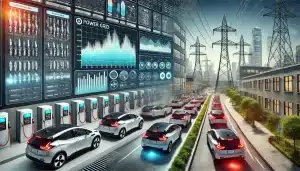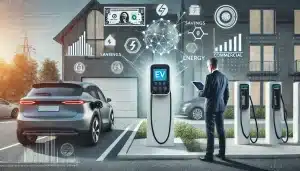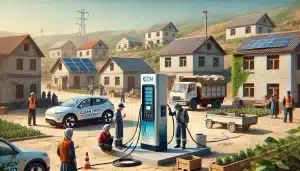


The rise of electric vehicles (EVs) is transforming the transportation industry, but with this exciting growth comes a critical challenge: the lack of standardization in EV charging connectors. Today’s EV landscape includes a variety of connector types and charging standards, which can create confusion for drivers and complicate the expansion of charging infrastructure. Standardizing EV charging connectors is a crucial step toward simplifying the EV experience, accelerating adoption, and ensuring seamless compatibility across different platforms.
The Current State of EV Charging Connectors
EV charging connectors vary based on factors like region, vehicle manufacturer, and charging speed. Here are the most common types currently in use:
- Level 1 and Level 2 Chargers (AC Charging):
- J1772 (Type 1): Widely used in North America.
- Type 2 (Mennekes): Standard in Europe and increasingly popular worldwide.
- DC Fast Charging (Level 3):
- CCS (Combined Charging System): Common in North America and Europe, with Type 1 or Type 2 connectors depending on the region.
- CHAdeMO: Popular in Japan and used by certain automakers globally.
- Tesla Connector: Proprietary to Tesla vehicles, though the company is opening its Supercharger network to other EVs in some areas.
- GB/T: Standard in China for both AC and DC charging.
While this variety allows manufacturers to tailor solutions to their markets, it also creates significant barriers for drivers and infrastructure developers.
Why Standardization Matters
The lack of a universal EV charging connector presents several challenges for the industry and consumers alike. Standardization is essential for addressing these issues and ensuring a smooth transition to widespread EV adoption.
1. Simplifying the EV Ownership Experience
For EV drivers, the current patchwork of connector types can be confusing and inconvenient. Drivers must carry multiple adapters, research charging station compatibility, or risk arriving at a station that doesn’t work with their vehicle. A standardized connector would eliminate these frustrations, making EV ownership more straightforward and accessible.
2. Facilitating Infrastructure Expansion
Charging infrastructure providers face additional costs and complexity when installing stations compatible with multiple connector types. Standardization reduces these barriers, allowing for more efficient and cost-effective deployment of charging networks, particularly in underserved areas.
3. Encouraging Global Interoperability
As EV adoption grows, the ability to charge vehicles seamlessly across borders is becoming increasingly important. Standardized connectors would enable drivers to use charging stations worldwide without worrying about compatibility, fostering a truly global EV ecosystem.
4. Accelerating EV Adoption
For potential EV buyers, uncertainty around charging compatibility can be a deterrent. By creating a universal standard, the industry can alleviate these concerns and encourage more consumers to make the switch to electric.
5. Reducing Environmental Impact
Producing and managing multiple connector types creates inefficiencies and unnecessary waste. Standardization streamlines manufacturing processes, reduces material consumption, and supports the sustainability goals of the EV industry.
Challenges to Achieving Standardization
While the benefits of standardization are clear, achieving it is no small task. Several obstacles must be addressed:
- Regional Preferences: Different regions have developed their own standards based on local policies, infrastructure, and market demands. Aligning these preferences requires significant collaboration and compromise.
- Automaker Resistance: Some manufacturers, like Tesla, have invested heavily in proprietary charging systems and may be reluctant to transition to universal standards.
- Legacy Systems: Thousands of existing charging stations are already designed for specific connector types. Transitioning to a standardized system would require significant retrofitting or replacement.
- Technological Advancements: The EV industry is evolving rapidly, and any standard must be flexible enough to accommodate future innovations in charging speed, efficiency, and connectivity.
Steps Toward Standardization
Despite these challenges, progress is being made toward creating a unified charging ecosystem. Here are some key strategies to drive standardization:
- Collaboration Between Stakeholders: Governments, automakers, and charging network operators must work together to establish and implement universal standards. International organizations like the International Electrotechnical Commission (IEC) play a critical role in facilitating these discussions.
- Incentives for Adoption: Governments can encourage the use of standardized connectors by offering incentives for automakers and charging providers that adopt universal systems.
- Phased Transitions: To minimize disruption, the industry can phase out legacy connectors over time, ensuring a smooth transition to standardized systems.
- Public-Private Partnerships: Joint initiatives between public and private entities can fund the retrofitting of existing charging infrastructure to align with new standards.
- Open Network Policies: Companies like Tesla are beginning to open their proprietary charging networks to other EVs, signaling a shift toward greater interoperability.
The Future of EV Charging Standards
A universal EV charging connector isn’t just a convenience—it’s a necessity for achieving the global scale of EV adoption required to combat climate change and transition to sustainable transportation. As the industry continues to grow, the push for standardization will only intensify.
By creating a unified system, we can eliminate barriers, streamline infrastructure development, and provide EV drivers with the seamless charging experience they deserve. The road to standardization requires collaboration, innovation, and compromise, but the benefits—for consumers, businesses, and the planet—are well worth the effort.
The future of EV charging is universal, and as the industry moves closer to this goal, the dream of a fully electric world becomes more attainable.