

As the adoption of electric vehicles (EVs) continues to rise, their impact on the power grid is becoming an increasingly important topic. While EVs play a critical role in reducing greenhouse gas emissions and combating climate change, the surge in electricity demand for charging poses unique challenges for power grids worldwide. Understanding these challenges and implementing innovative solutions is essential for ensuring a smooth transition to a cleaner, electrified future.
The Growing Demand for Electricity
The increasing number of EVs on the road is driving a corresponding growth in electricity consumption. According to estimates, EVs could account for up to 10% of global electricity demand by 2040. This rapid increase in demand presents several challenges for power grids, particularly in areas where the infrastructure is already under strain.
Challenges EV Charging Poses to the Power Grid
- Peak Demand Pressure
EV owners often charge their vehicles during evening hours when they return home from work. This coincides with peak electricity usage times, such as when households are running appliances, lights, and heating or cooling systems. This clustering of demand can strain the grid and increase the risk of outages. - Localized Grid Overload
In neighborhoods or commercial areas with high EV adoption, clusters of charging stations can overload local transformers and distribution networks. This is particularly problematic in areas with older or outdated infrastructure. - Energy Supply and Generation
Increased electricity demand from EV charging could require utilities to ramp up power generation, which may not always come from renewable sources. This creates a paradox where EVs, meant to reduce emissions, could inadvertently contribute to higher fossil fuel usage if the grid isn’t clean. - Infrastructure Investment
Expanding grid capacity to support EV growth requires significant investment in infrastructure, including upgraded transformers, substations, and distribution lines. Without these upgrades, the grid may struggle to keep up with demand. - Intermittent Renewable Energy Integration
While renewable energy sources like solar and wind are key to making EV charging sustainable, their intermittent nature can complicate grid management. Matching EV charging demand with renewable energy generation is a complex challenge for utilities.
Solutions for Managing EV Charging Demand
Despite these challenges, innovative solutions are emerging to ensure the power grid can support widespread EV adoption. Here are some of the most promising strategies:
- Smart Charging Technology
Smart chargers enable EV owners to schedule charging during off-peak hours, reducing strain on the grid. These chargers can automatically adjust charging speeds based on grid conditions and electricity prices, helping to balance demand. - Time-of-Use Pricing
Time-of-use (TOU) pricing incentivizes EV owners to charge their vehicles during off-peak hours by offering lower electricity rates. This not only eases grid pressure but also helps EV owners save money on charging costs. - Vehicle-to-Grid (V2G) Technology
V2G technology allows EVs to act as mobile energy storage units, sending unused electricity back to the grid during peak demand periods. This bidirectional flow of energy can help stabilize the grid and provide a buffer during high-demand times. - Energy Storage Solutions
Utilities and charging station operators are increasingly incorporating energy storage systems, such as large-scale batteries, to store excess renewable energy during low-demand periods. This stored energy can be used to power EV chargers during peak hours, reducing strain on the grid. - Renewable Energy Integration
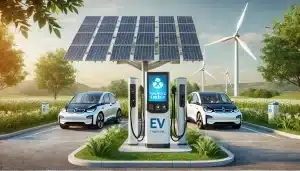
Pairing EV chargers with renewable energy sources, such as solar panels or wind turbines, ensures that charging demand is met sustainably. Solar-powered charging stations, for example, can provide clean energy while reducing reliance on the grid. - Grid Modernization and Upgrades
Utilities are investing in modernizing grid infrastructure to accommodate EV growth. Upgraded transformers, substations, and distribution lines can handle higher electricity demand and improve overall grid resilience. - Distributed Energy Resources (DERs)
DERs, such as rooftop solar panels and community energy storage, can localize energy production and consumption. This reduces reliance on centralized power generation and mitigates grid congestion. - Load Forecasting and AI
Advanced forecasting tools and artificial intelligence (AI) are being used to predict EV charging patterns and optimize grid operations. These technologies help utilities allocate resources efficiently and prepare for future demand.
Collaborative Efforts for a Sustainable Future
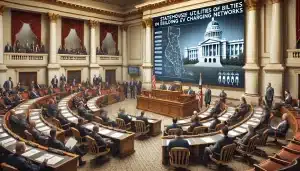
Addressing the impact of EV charging on the power grid requires collaboration between utilities, governments, automakers, and charging network operators. Policymakers can play a crucial role by implementing regulations that encourage grid-friendly charging practices and investing in renewable energy development. Automakers and charging providers, on the other hand, can focus on deploying smart chargers and V2G-enabled vehicles.
Public awareness and education are also vital. Encouraging EV owners to charge during off-peak hours, take advantage of TOU pricing, and consider installing renewable energy systems at home can make a significant difference in easing grid demand.
The Road Ahead
The challenges posed by EV charging on the power grid are not insurmountable. With smart technologies, infrastructure upgrades, and the integration of renewable energy, the grid can adapt to support a growing number of EVs without compromising reliability or sustainability.
As EV adoption accelerates, the opportunity to build a cleaner, more resilient energy system has never been greater. By addressing these challenges today, we can ensure that the future of transportation is not only electric but also sustainable. The journey to widespread EV adoption is a shared effort, and with the right strategies in place, it’s a road we’re ready to travel.