

The world is shifting to electric vehicles (EVs) at an unprecedented pace, and with this change comes a growing demand for smarter, faster, and more efficient charging solutions. Innovations in EV charging technology are transforming how and where we power our vehicles, reshaping both residential and commercial spaces. From ultra-fast chargers to energy management systems, the future of EV charging is here, and it’s exciting.
Smarter Residential Charging: Convenience Meets Innovation
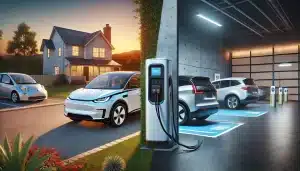
Residential charging has always been about convenience—charging your EV from the comfort of your home. But the latest advancements are taking this convenience to a whole new level.
- Smart Chargers with AI Integration: Smart home chargers are becoming increasingly sophisticated, with AI capabilities that optimize charging schedules based on electricity rates, energy demand, and your driving patterns. Some even integrate with smart home systems, allowing you to manage your EV charging alongside other household devices.
- Vehicle-to-Home (V2H) Technology: Imagine your EV powering your home during a blackout or helping reduce your energy bills. V2H technology allows your EV to act as a backup energy source, storing electricity and feeding it back into your home when needed.
- Wireless Charging: While still in its early stages, wireless or inductive charging eliminates the need for cables entirely. With a charging pad installed in your garage or driveway, you simply park your car, and charging begins automatically.
The Rise of Commercial Charging Hubs
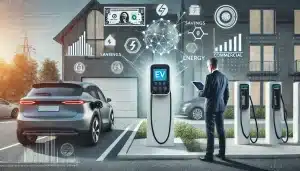
Commercial spaces are evolving to meet the needs of EV drivers, and businesses are seeing the benefits of offering charging stations to attract customers, tenants, and employees.
- Ultra-Fast Charging Stations: Advances in ultra-fast charging technology are making it possible to recharge EVs in as little as 15–20 minutes. These high-power chargers, often found in shopping centers, office complexes, and highway stops, are designed to accommodate the growing number of EVs with larger battery capacities.
- Smart Energy Management Systems: Businesses with multiple chargers are adopting energy management systems to optimize power distribution. These systems prevent electrical overloads and reduce costs by balancing charging needs across multiple vehicles.
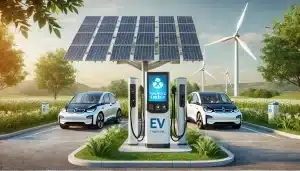
- Solar-Powered Charging Stations: Sustainability is at the heart of many innovations, and solar-powered charging stations are a prime example. These setups combine solar panels with EV chargers, offering a clean and renewable way to power vehicles.
- EV Charging-as-a-Service: Many companies are now offering subscription-based models where businesses can install EV chargers with little to no upfront cost. Maintenance, software updates, and energy optimization are often included, making it easier for commercial spaces to adopt EV charging infrastructure.
Innovations Shaping the Future of Charging
Beyond residential and commercial spaces, the EV charging landscape is undergoing a massive transformation, driven by cutting-edge technology and forward-thinking solutions.
- Bi-Directional Charging (Vehicle-to-Grid or V2G): V2G technology allows EVs to send unused electricity back to the grid, helping balance energy demand and support renewable energy integration. As this technology becomes more widespread, EVs could play a crucial role in stabilizing energy grids.
- Ultra-High-Power Charging (350 kW+): Faster charging times are a top priority for EV owners. Ultra-high-power chargers are pushing the boundaries of speed, with capabilities to charge EVs in under 10 minutes. These innovations are critical for long-distance travel and reducing range anxiety.
- Autonomous Charging Robots: Picture robots that can move around a parking lot, connect to EVs, and charge them without human intervention. These autonomous systems are currently in development and could revolutionize charging in busy public and commercial areas.
- Integration with Renewable Energy: The future of EV charging is increasingly tied to renewable energy. Charging stations equipped with battery storage can store excess energy generated from wind or solar power, ensuring a clean and reliable energy source for EVs.
A Changing Landscape for Businesses and Homeowners
The rapid advancements in EV charging technology are creating opportunities for both homeowners and businesses. For homeowners, integrating smart and renewable charging solutions can increase property value and reduce long-term costs. For businesses, offering EV charging can attract eco-conscious customers and position the company as a leader in sustainability.
What the Future Holds
The future of EV charging is not just about faster and more convenient solutions—it’s about creating a connected ecosystem where vehicles, homes, businesses, and the grid work together seamlessly. As innovations continue to reshape how we charge our vehicles, the transition to an electrified future will only accelerate.
Whether you’re a homeowner considering a smart charging solution or a business looking to install charging stations, the key is to stay informed and embrace the latest technologies. The road ahead is electric, and with the right infrastructure, we can all drive toward a cleaner, greener future.