

As electric vehicles (EVs) surge in popularity, the demand for public charging infrastructure has skyrocketed. Public charging stations are vital for EV adoption, especially for drivers who don’t have access to home or workplace charging. But are these stations keeping up with the growing needs of today’s EV drivers? Let’s explore the current state of public charging stations, the challenges they face, and the steps being taken to ensure they meet the demands of the EV revolution.
The Current State of Public Charging
Public charging stations have come a long way, with an increasing number of locations offering EV drivers a place to power up. From shopping malls to highway rest stops, chargers are becoming more visible and accessible. Many of these stations are equipped with a mix of Level 2 chargers (great for topping off during errands) and DC fast chargers (ideal for longer trips).
While progress is undeniable, the expansion of public charging infrastructure hasn’t been without its challenges.
Challenges Facing Public Charging Stations
- Accessibility Issues:
Not all public chargers are easy to access. Some are located in inconvenient or poorly lit areas, making them less appealing to drivers. Additionally, limited station availability in rural or less densely populated areas creates gaps in the network. - Charger Reliability:
One of the most common frustrations for EV drivers is encountering broken or offline chargers. Regular maintenance and better monitoring systems are needed to ensure stations are operational when drivers need them. - Wait Times and Congestion:
As more people switch to EVs, the demand for public charging stations is rising. In some areas, drivers report long wait times to access a charger, especially at busy locations. - Cost Transparency:
Public charging prices can vary widely, and some stations lack clear pricing structures. Drivers want predictable and transparent costs, whether they’re paying per kWh or per minute of charging. - Speed Variability:
While DC fast chargers are ideal for quick recharges, many public stations only offer slower Level 2 charging. This can be frustrating for drivers who are short on time or need a full charge quickly.
Are Public Chargers Meeting EV Drivers’ Needs?
The answer depends largely on where you live and how you use your EV. For urban drivers with access to a robust network of well-maintained chargers, the experience is generally positive. However, drivers in rural areas or regions with limited infrastructure often find public charging less reliable or accessible.
Moreover, long-distance EV travelers still face challenges with range anxiety, as charging station availability and speed can vary significantly along certain routes.
Innovations Improving Public Charging
To address these challenges, companies and governments are investing heavily in innovations designed to make public charging more reliable, efficient, and accessible.
- Ultra-Fast Charging Stations:
Many new public charging sites are equipped with ultra-fast DC chargers capable of delivering 150–350 kW. These chargers can provide a significant boost in just 10–15 minutes, drastically reducing wait times. - Real-Time Monitoring and Maintenance:
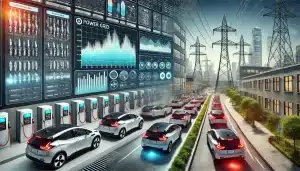
Smart systems now monitor charging stations in real-time, quickly identifying and resolving issues to ensure chargers stay operational. This reduces the frustration of finding broken stations. - Wider Network Coverage:
Governments and private companies are expanding the charging network into underserved areas. Initiatives like the U.S. National Electric Vehicle Infrastructure (NEVI) program aim to create a nationwide network of chargers. - Dynamic Energy Management:
Advanced energy management systems allow charging hubs to balance demand across multiple chargers, ensuring a more consistent experience for users during peak hours. - User-Friendly Apps and Navigation:
Many charging networks offer apps that allow drivers to locate chargers, check availability, and even reserve a spot in advance. These tools help streamline the charging experience. - Renewable Energy Integration:
Some charging stations now incorporate solar panels or wind energy to provide a greener charging solution, reducing the environmental impact of EVs further.
Looking Ahead
While public charging stations still have room for improvement, significant strides are being made to address the needs of today’s EV drivers. The expansion of ultra-fast chargers, improved reliability, and better network coverage are creating a more seamless experience for EV owners.
As EV adoption continues to grow, collaboration between governments, automakers, and private companies will be key to building a charging infrastructure that meets the demands of a cleaner, electric future. Public charging stations are not just a convenience—they’re a critical part of the transition to sustainable transportation. By tackling the current challenges and investing in innovative solutions, the industry is poised to power the next generation of EV drivers with confidence.