

The electric vehicle (EV) revolution is well underway, and with it comes a growing demand for accessible and reliable charging infrastructure. Central to this transition is the role of utilities—organizations responsible for providing electricity to homes, businesses, and now, EVs. Across statehouses in the U.S., lawmakers are debating the extent to which utilities should participate in building EV charging networks. The outcome of these discussions could shape the future of transportation and energy for decades to come.
Why Utilities Are Key Players
Utilities are uniquely positioned to influence the EV charging landscape. With their extensive infrastructure, expertise in electricity distribution, and regulatory oversight, they have the tools and resources to scale charging networks quickly and efficiently. Here’s why their involvement matters:
- Grid Management Expertise: Utilities understand how to manage electricity demand and can help prevent grid overload as EV adoption increases.
- Infrastructure Development: Utilities already maintain power lines, substations, and other critical infrastructure, making them well-suited to expand charging networks.
- Cost-Efficiency: Leveraging their economies of scale, utilities can potentially reduce the costs of installing and operating EV charging stations.
- Equitable Access: By involving utilities, states can ensure charging networks extend to underserved and rural areas, preventing gaps in EV infrastructure.
However, utility involvement also raises important questions about fairness, competition, and funding.
The Debate in Statehouses
The role of utilities in EV charging networks is a contentious issue in many state legislatures. Lawmakers, regulators, and industry stakeholders are grappling with a range of questions:
1. Should Utilities Own and Operate Charging Stations?
Some argue that utilities should be allowed to build and operate EV charging stations, as this would accelerate network deployment and ensure consistency. However, critics worry this could stifle competition and give utilities an unfair advantage over private charging companies. Striking a balance between utility involvement and fostering a competitive marketplace is a key point of debate.
2. Who Should Bear the Costs?
The costs of building EV charging infrastructure are significant, and statehouses are debating how to fund these initiatives. Should the cost fall on utility customers through rate increases? Or should private companies and government grants shoulder the burden? Advocates for ratepayer funding argue that everyone benefits from EV adoption, as it reduces air pollution and greenhouse gas emissions. Opponents, however, believe costs should primarily be borne by EV users and private investors.
3. How Can Utilities Promote Equity?
Utilities are often tasked with serving the public good, which includes providing equitable access to services. In the context of EV charging, this means ensuring charging stations are available in low-income neighborhoods and rural areas, not just affluent urban centers. Policymakers are exploring how utilities can help bridge the gap and make EV adoption more accessible to all.
4. What Role Should Regulators Play?
Regulatory agencies are responsible for overseeing utility activities and ensuring fair practices. Some statehouses are debating the need for clear guidelines to prevent utilities from monopolizing the EV charging market while still enabling them to contribute meaningfully to infrastructure development.
Successful Utility-Led Models
Several states have already implemented programs where utilities play a central role in EV infrastructure, offering valuable case studies for ongoing debates:
- California: Utilities like PG&E and Southern California Edison have been instrumental in building thousands of public and workplace charging stations. These programs are funded through a mix of ratepayer contributions and state incentives.
- New York: The state’s EV Make-Ready Program, led by utilities, aims to develop a robust charging network by covering the costs of preparing sites for charging station installation.
- Colorado: Xcel Energy is working to expand charging infrastructure while providing rebates for home and business charging equipment, ensuring a holistic approach to EV adoption.
Challenges and Risks
While utility involvement offers clear benefits, there are also challenges:
- Monopoly Concerns: Critics worry that utilities, with their regulatory advantages, could dominate the market and discourage private investment.
- Cost Allocation: Determining how to fairly distribute costs between ratepayers, governments, and private companies remains a significant hurdle.
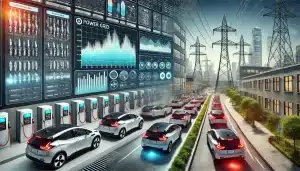
- Grid Impact: Rapid deployment of EV chargers could strain local grids, particularly during peak demand hours. Utilities must carefully manage this increased load to avoid blackouts or service disruptions.
Looking Ahead: Collaboration Is Key
The debate over the role of utilities in EV charging networks is far from settled. However, one thing is clear: collaboration between utilities, private companies, policymakers, and regulators is essential. By working together, stakeholders can build a charging network that is efficient, equitable, and environmentally sustainable.
To achieve this, statehouses must focus on policies that:
- Encourage utilities to build infrastructure in underserved areas.
- Foster competition by creating a level playing field for private charging companies.
- Ensure transparency in cost allocation to avoid burdening ratepayers unfairly.
- Prioritize grid modernization to support widespread EV adoption.
A Shared Vision for the Future
The transition to electric vehicles is a monumental shift, and utilities have an undeniable role to play in shaping this new era of transportation. With thoughtful policies and a commitment to collaboration, statehouses can ensure that EV charging networks meet the needs of today’s drivers while preparing for the demands of tomorrow. This isn’t just about powering cars—it’s about building a cleaner, greener future for everyone.