

As electric vehicles (EVs) continue to revolutionize transportation, the technology behind charging them is evolving rapidly. One of the most exciting innovations on the horizon is wireless EV charging. By eliminating the need for physical cables and plugs, wireless charging offers a seamless and convenient solution for both residential and commercial applications. This cutting-edge technology promises to transform the way we power our EVs, making charging easier, more efficient, and more accessible than ever before.
What Is Wireless EV Charging?
Wireless EV charging, also known as inductive charging, uses electromagnetic fields to transfer energy from a charging pad to an EV’s battery. Here’s how it works:
- Charging Pad Installation: A charging pad is installed on the ground, typically in a garage, driveway, or parking lot.
- Receiver on the Vehicle: The EV is equipped with a receiver coil on its underside.
- Energy Transfer: When the vehicle is parked over the pad, an electromagnetic field is created, transferring energy wirelessly to the vehicle’s battery.
This system eliminates the need for physical connectors, making charging as simple as parking your car in the right spot.
The Benefits of Wireless EV Charging
Wireless charging offers several advantages that make it an attractive option for both residential and commercial use.
1. Convenience
For homeowners, wireless charging means no more fumbling with cables or worrying about plugging in your vehicle every night. Simply park your car, and the charging process begins automatically. For businesses, it reduces the complexity of managing multiple chargers and cables in busy parking areas.
2. Safety and Durability
Without exposed cables or connectors, wireless charging systems are safer and more durable. There’s no risk of tripping over cables, and the system is less prone to wear and tear from frequent use.
3. Aesthetic Appeal
Wireless charging pads are discreet and can be integrated seamlessly into residential driveways, commercial parking lots, or even public spaces, maintaining a clean and modern look.
4. Improved User Experience
Wireless charging removes a layer of manual interaction, making it especially appealing in high-traffic commercial settings or for users with mobility challenges.
5. Future-Proof Technology
As EV adoption grows, wireless charging is poised to become a standard feature in the next generation of vehicles. Investing in this technology now prepares homeowners and businesses for future advancements.
Residential Applications: Simplifying Home Charging
For EV owners, the appeal of wireless charging at home is clear. Imagine coming home, parking in your driveway or garage, and knowing that your vehicle will automatically charge overnight without any extra effort. Wireless systems can also integrate with smart home technology, allowing you to monitor and manage your charging through a mobile app.
Additionally, wireless charging is an ideal solution for households with multiple EVs. With charging pads installed in designated parking spots, each vehicle can charge without the need for multiple wall-mounted chargers and cables.
Commercial Applications: Enhancing Public and Fleet Charging
In commercial settings, wireless charging is a game-changer. Businesses, parking operators, and fleet managers can leverage this technology in various ways:
- Public Parking Lots: Offering wireless charging stations can attract EV drivers, especially in urban areas where convenience is a priority.
- Retail and Hospitality: Wireless chargers can enhance the customer experience at shopping malls, hotels, and restaurants, encouraging longer stays and increased spending.
- Fleet Operations: For delivery services, taxis, and public transportation, wireless charging pads installed at depots or along routes can ensure vehicles are always ready to go without disrupting operations.
- Workplaces: Companies offering wireless charging to employees can create a premium amenity that supports sustainability and employee satisfaction.
Challenges and Considerations
While the benefits of wireless EV charging are significant, there are still challenges to overcome:
1. Cost
Wireless charging systems are currently more expensive than traditional wired options, both in terms of installation and equipment. However, as the technology becomes more widespread, costs are expected to decrease.
2. Efficiency
Wireless charging is slightly less efficient than wired charging, as some energy is lost during the inductive transfer. However, advancements in technology are closing this efficiency gap.
3. Compatibility
Not all EVs are equipped with the necessary receiver for wireless charging. As the technology becomes more common, automakers will likely include wireless charging capabilities in more models.
4. Installation Complexity
Installing wireless charging pads may require additional groundwork, particularly in commercial or outdoor settings. Proper alignment of the vehicle over the pad is also crucial for effective charging.
The Future of Wireless EV Charging
The future of wireless EV charging looks promising. Automakers and tech companies are investing heavily in advancing this technology, and several pilot programs are already underway:
- Dynamic Wireless Charging: In the future, roads equipped with embedded wireless charging technology could allow EVs to charge while driving, further reducing range anxiety and eliminating downtime for charging.
- Standardization Efforts: Industry-wide standards for wireless charging are being developed to ensure compatibility across different vehicles and chargers.
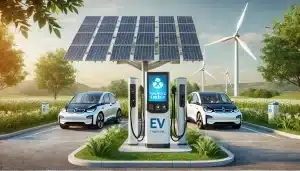
- Integration with Renewable Energy: Wireless charging systems paired with solar panels or wind turbines could create a truly sustainable charging solution.
What’s Next?
Wireless EV charging represents the next frontier in EV technology, offering unparalleled convenience, safety, and efficiency for both residential and commercial applications. While challenges like cost and compatibility remain, ongoing advancements are paving the way for widespread adoption.
Whether you’re a homeowner looking for a hassle-free charging solution or a business aiming to attract eco-conscious customers and employees, investing in wireless EV charging is a forward-thinking decision. As this technology evolves, it has the potential to redefine how we think about powering electric vehicles, making the transition to an electrified future more seamless than ever.